



The initiative aims to provide an experience with science, arts and technologies at ECU.
La Universidad Nacional de Rosario The fifth edition of “Visible the Invisible” was launched: an art, science, and technology fair designed for play and learning. The 2026 edition runs until September 11 at the University Cultural Space (ECU) and features a revamped format.
“It is a beautiful proposal from the Universidad Nacional de Rosario For younger children, we aim to promote a first approach to scientific production. This year, we have the unique feature of working with city schools for the first few days, specifically with sixth and seventh grade students. The tour we've designed is linked to the process of how knowledge is produced; it's a series of stations where the children play and learn,” highlighted Rector Franco Bartolacci, adding, “On Friday the 11th, we open to the general public from 14 pm to 17 pm.”
The Rector explained that from the very first edition, this program was designed to put young children at the center of the action. “Our first experience was in 2022, and it was wonderful. With each edition and the contributions of the various participants, we have strengthened this program. We believe the University has a role to play in encouraging young children who are interested in science to find a place to begin exploring that interest.”
The experiences of the first four editions were entirely positive, to the point that the citizens of Rosario have embraced a space where the University fosters dialogue between the sciences, the arts, and society. “By incorporating playful strategies, games, and workshops, we aim not only to highlight the scientific output of our University but also to promote scientific vocations,” explained Elena Gasparri, Secretary of the Science, Technology, and Innovation for Development Area at the UNR.
After several editions held during the winter holidays, the program is moving to the school calendar to strengthen ties with educational institutions. “Visible the Invisible was created to incorporate the University into the winter holiday activities and, above all, to reach an audience that wasn't the traditional one for the Science Department. But we received strong requests from parents and teachers to hold the fair during the school year as well, allowing schools to visit. That's why this year we decided to hold it from September 7th to 11th,” explained María Soledad Casasola, Director of Science Communication at UNR.
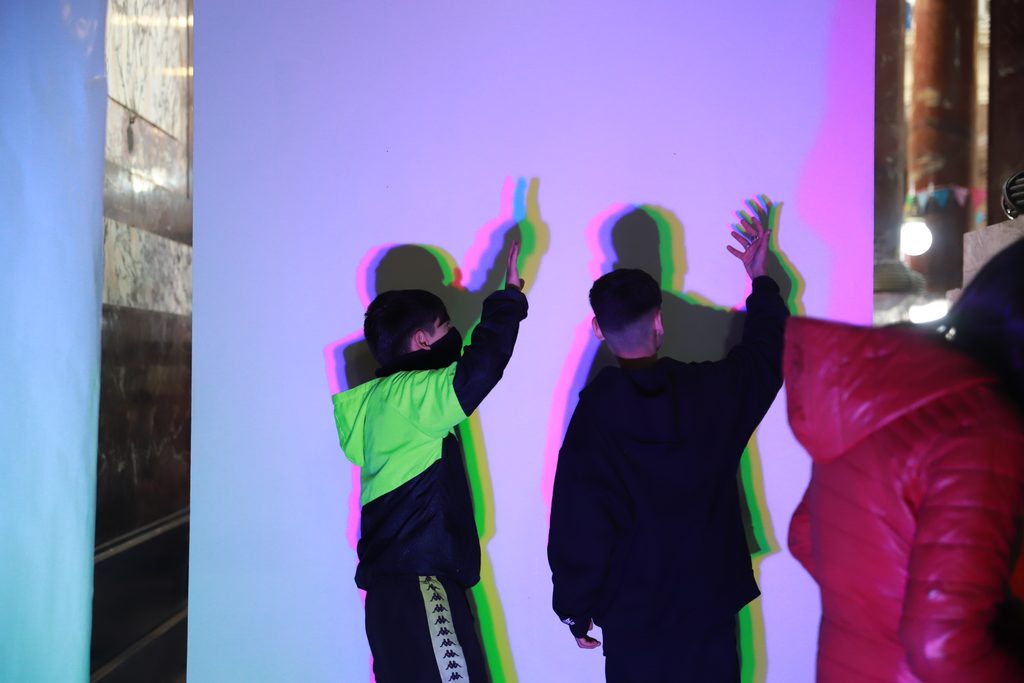
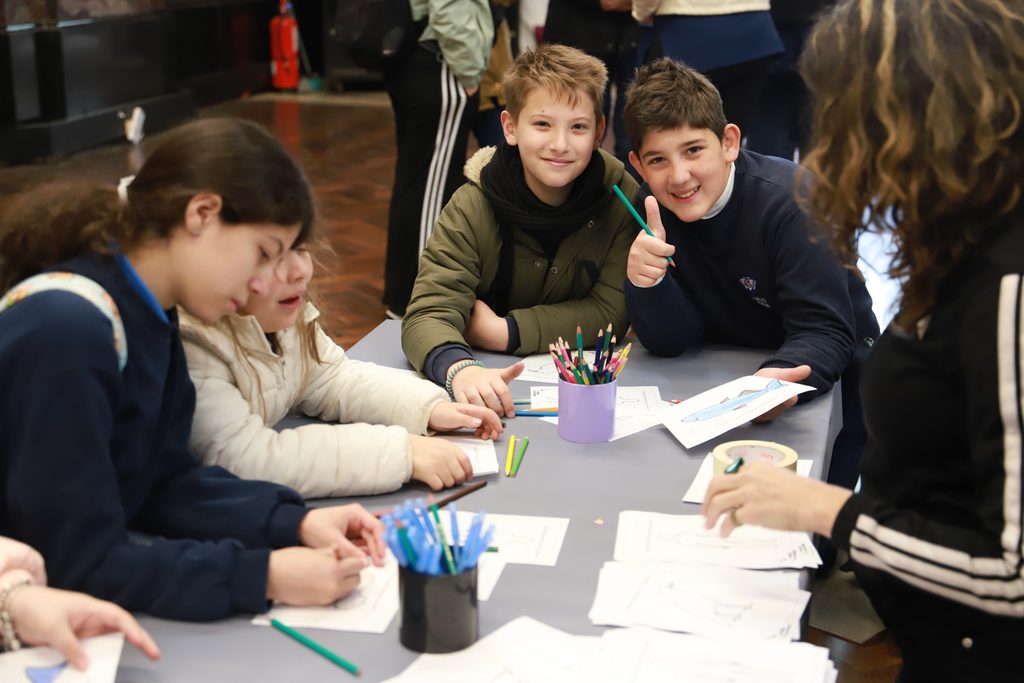
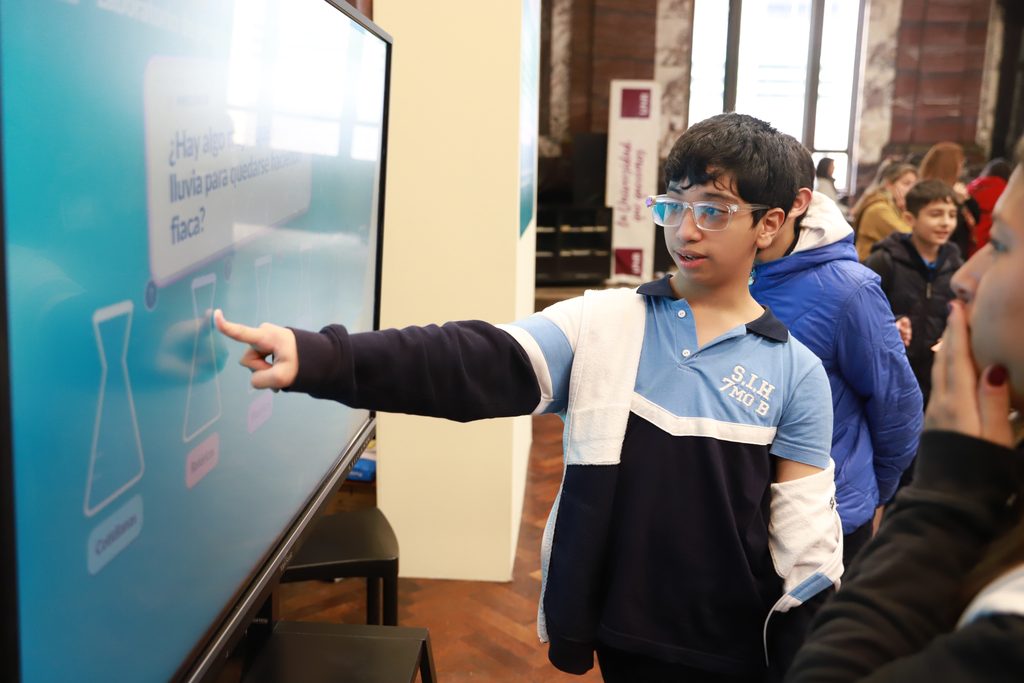
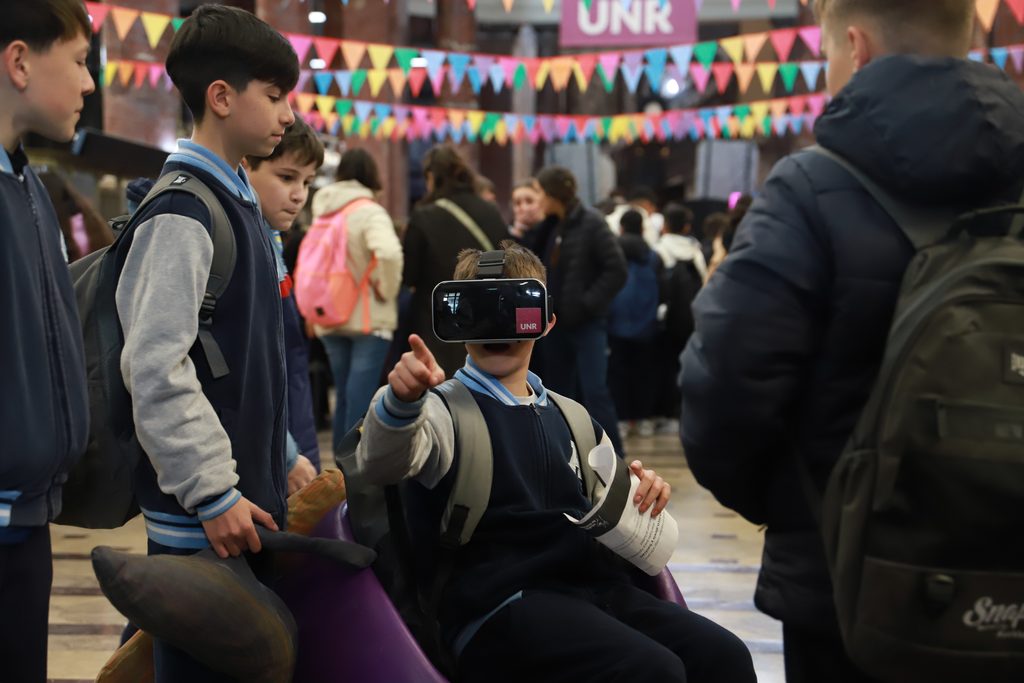
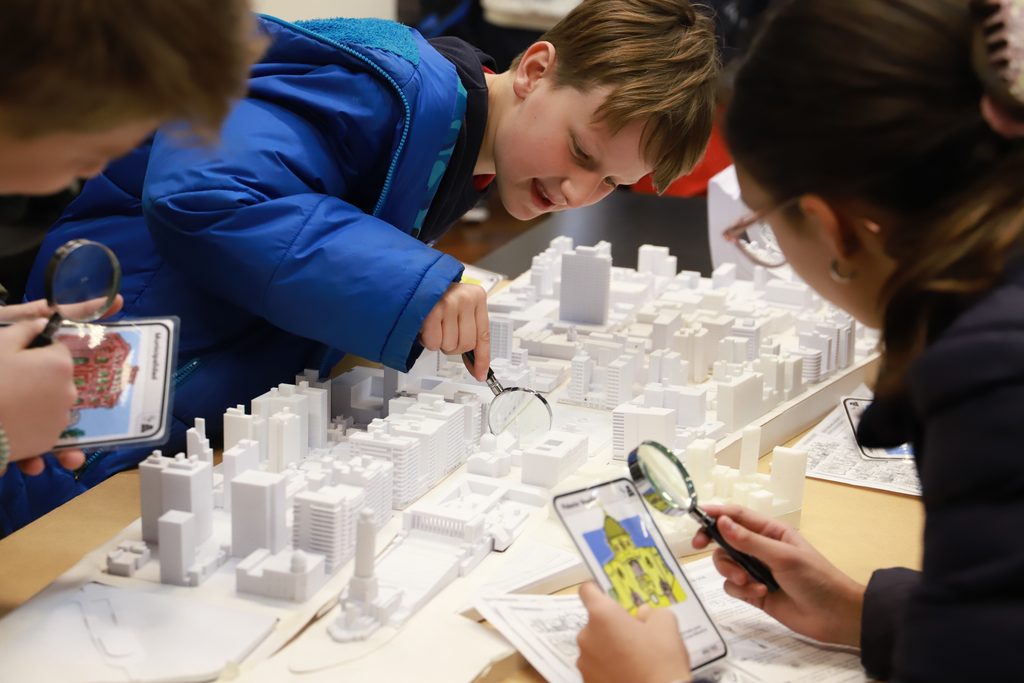
For the first four days, the fair is exclusively for sixth and seventh grade students from schools in Rosario, with activities organized in morning and afternoon sessions. It will close on September 11, a school holiday for Teacher's Day, with free admission for the entire community from 2:00 PM to 5:00 PM.
The response to this new format exceeded all expectations: school slots were filled in less than 24 hours. “Nearly a thousand children will visit the fair each day, and we will be working on how scientific knowledge is constructed and how it differs from everyday knowledge. The tour will be organized around four fundamental axes: observation, inquiry, experimentation, and communication. These are the pillars of the scientific method, but also of technological innovation and artistic creation. At Visible, we find these four moments as a meeting point between science, technology, and the arts, with philosophy permeating the entire experience through questions and curiosity,” Casasola noted.
There are themed stations with archaeological digs, chemistry experiments, virtual reality activities, interactive screens, streaming spaces for learning about fact-checking and critical thinking, as well as art workshops where participants can create, paint, and express themselves. The playroom, one of the most popular features in previous editions, has also returned.
“We want participants not only to engage with science, but also to experience a journey where researching, creating, asking questions, and sharing are all part of the same experience. That is the essence of Visible lo Invisible,” Casasola concluded.
science here
One of the most profound pillars of the "Visible the Invisible" proposal is the vindication of the value of local science, conceived and constructed from the territory itself. In a context where science has been challenged by various public discourses, it is essential that the community be able to experience, firsthand, the work carried out in the laboratories, classrooms, and research centers of the UNR and other institutions in the city.
“Being able to explain firsthand why science is important is one of the most valuable aspects of this activity. It’s crucial to produce knowledge from here, from our questions, our problems, our ways of seeing the world. There’s no substitute for that. We ourselves must investigate what surrounds us and find answers from within our own community,” Gasparri noted.
She also emphasized that one of the most powerful strategies of “Making the Invisible Visible” for dismantling the idea that science is something distant or inaccessible is integrating it into everyday practices through playful activities and workshops. “It’s about showing that science is a way of producing knowledge that allows us to reflect on and analyze the problems of daily life. From there, we can find solutions, enhance the positive aspects, and, if necessary, transform or eliminate what negatively affects society,” she explained.
Journalist: Gonzalo J. García / Photographer: Camila Casero.