



La Universidad Nacional de Rosario and the Municipality of Rosario presented a new edition of this initiative, which invites older people to share their knowledge, experiences and memories and turn them into new ways of knowing, interpreting and inhabiting the cultural spaces of the city.
La Universidad Nacional de Rosario and the Municipality of Rosario presented a new call for “Guides for a day”, an initiative that proposes to recover, value and share the knowledge, experiences and memories of older adults to generate new ways of knowing and inhabiting the cultural spaces of the city.
The initiative is part of the More Open Museums program and is promoted by the Secretariat of Culture and Education, in conjunction with the Secretariat of Human Development and Habitat and the Open University Program for Older Adults at the National University of Rosario (UNR). It should also be noted that this year it is being implemented within the framework of the Mil65 Plan.
“Guides for a Day” aims to create spaces for encounter, exchange, and cultural participation, promoting a reinterpretation of local museums through the experiences and perspectives of the participants. In this way, the knowledge and practices of older adults are incorporated into the activities of cultural spaces, enriching traditional forms of mediation and generating new understandings of heritage and culture.
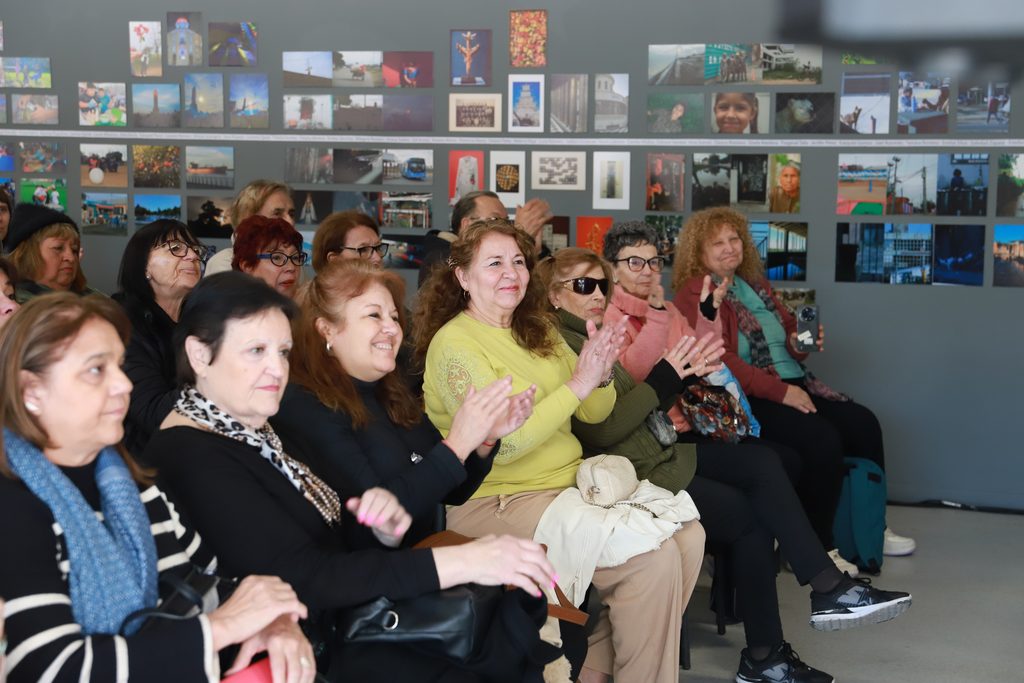
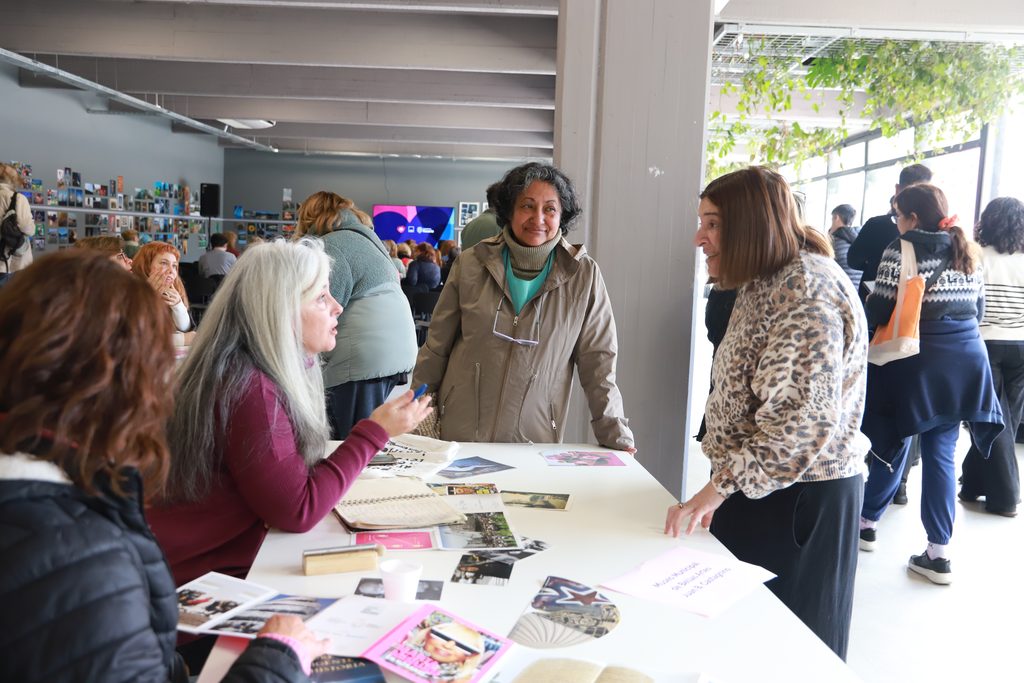
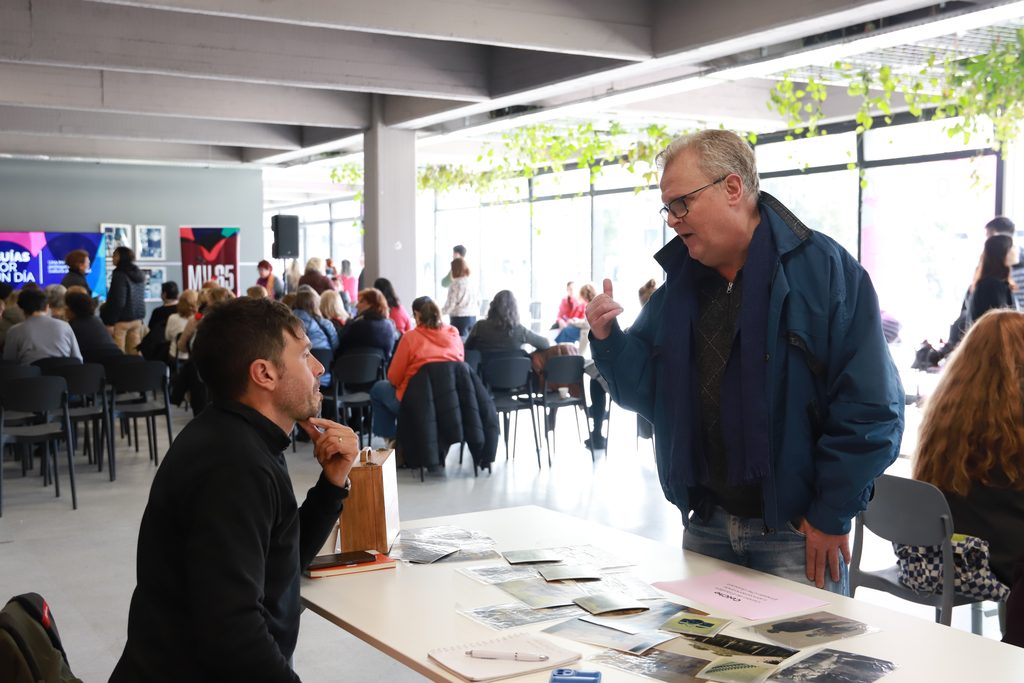
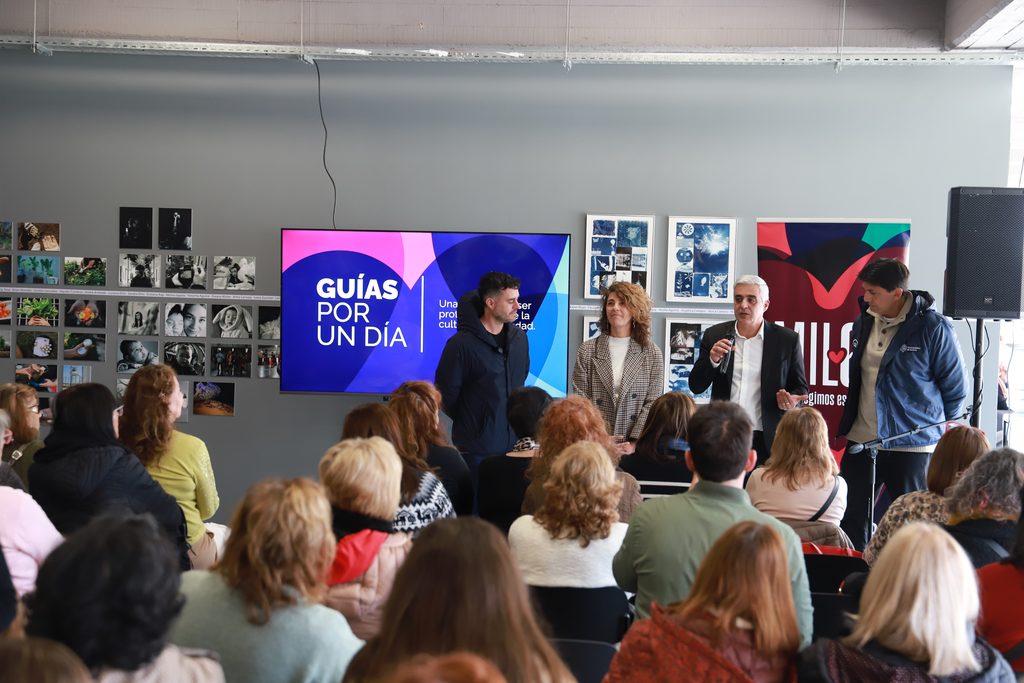
“We work extensively with the Municipality at the University, fostering and promoting opportunities for participation and socialization for adults and senior citizens in the city of Rosario. We have a program at our University that we are very proud of, and it grows year after year. My dream is that the UNR will be a home that can welcome everyone from the youngest to the oldest, anyone who wants to live here,” commented Rector Franco Bartolacci.
He also explained that the synergistic relationship between the Municipality and the University is becoming commonplace, but that it's not something that happens everywhere in the country. “This collaboration and synergy makes all the initiatives we develop different, much deeper, and more transformative. And the policies for senior citizens that the City of Rosario has, which we helped to consolidate from the University, are not replicated elsewhere. I think that's also a good area to appreciate. From our perspective, we are grateful to the Municipality because, given the complex situation the University is in, without this relationship, we wouldn't be able to sustain many of the things we do.”
Finally, he praised the possibility of developing these kinds of initiatives and providing opportunities for the city's senior citizens to participate. “You only have to look at the world to see how we treat the youngest and the oldest. I am proud that the University and the City of Rosario are treating them differently, because that is what contributes to building a more humane, more compassionate world, which is what we need.”
For his part, the Secretary of Human Development and Habitat for the Municipality, Nicolás Gianelloni, highlighted the importance of making these types of programs visible because “surely while we are here chatting, there is some elderly person—there are 40.000 in the city—who lives alone, who feels they have no place to be heard, to feel like active participants in the city, and perhaps they need a helping hand. So, I invite them to this activity, and that is the first step towards them feeling good again and readjusting their life plans.”
Victoria Zángara, director of the Senior Citizens program within the Secretariat of Human Development and Habitat of the Municipality of Rosario, explained that this is the third edition of this initiative. “Participation is very important, and we are very pleased that the number of participants grows year after year.”
Federico Valentini, the municipality's Secretary of Culture, confirmed that "Rosario has a very high-quality public museum, a network, a public, cultural, development, and health structure that must be valued, cared for, and also shared, in this time when they believe that nothing works, to show them why the State has to be present."
This year's edition includes the Juan B. Castagnino Municipal Museum of Fine Arts, the Wladimir Mikielievich City Museum, the Firma and Odilo Estévez Municipal Museum of Decorative Arts, the Museum of Memory, the Rosario Museum of Contemporary Art (MACRO), the Municipal Astronomical Complex, and the Argentine Library. Also participating are the City Hall, the National Flag Monument, and the Ernesto Che Guevara Center for Latin American Studies (CelCHE).
During the event, the proposals of all participating museums and venues were presented and shared. Based on their interests, the seniors were able to choose where they wanted to carry out their experience as guides.
The process will culminate with the visits, in which the elderly will be protagonists and guides for a day, sharing with other visitors their own interpretations, knowledge, memories and ways of connecting with each space.
Journalist: Gonzalo J. García / Photography: Camila Caseros.